

Custom Orthotics in Beaumaris
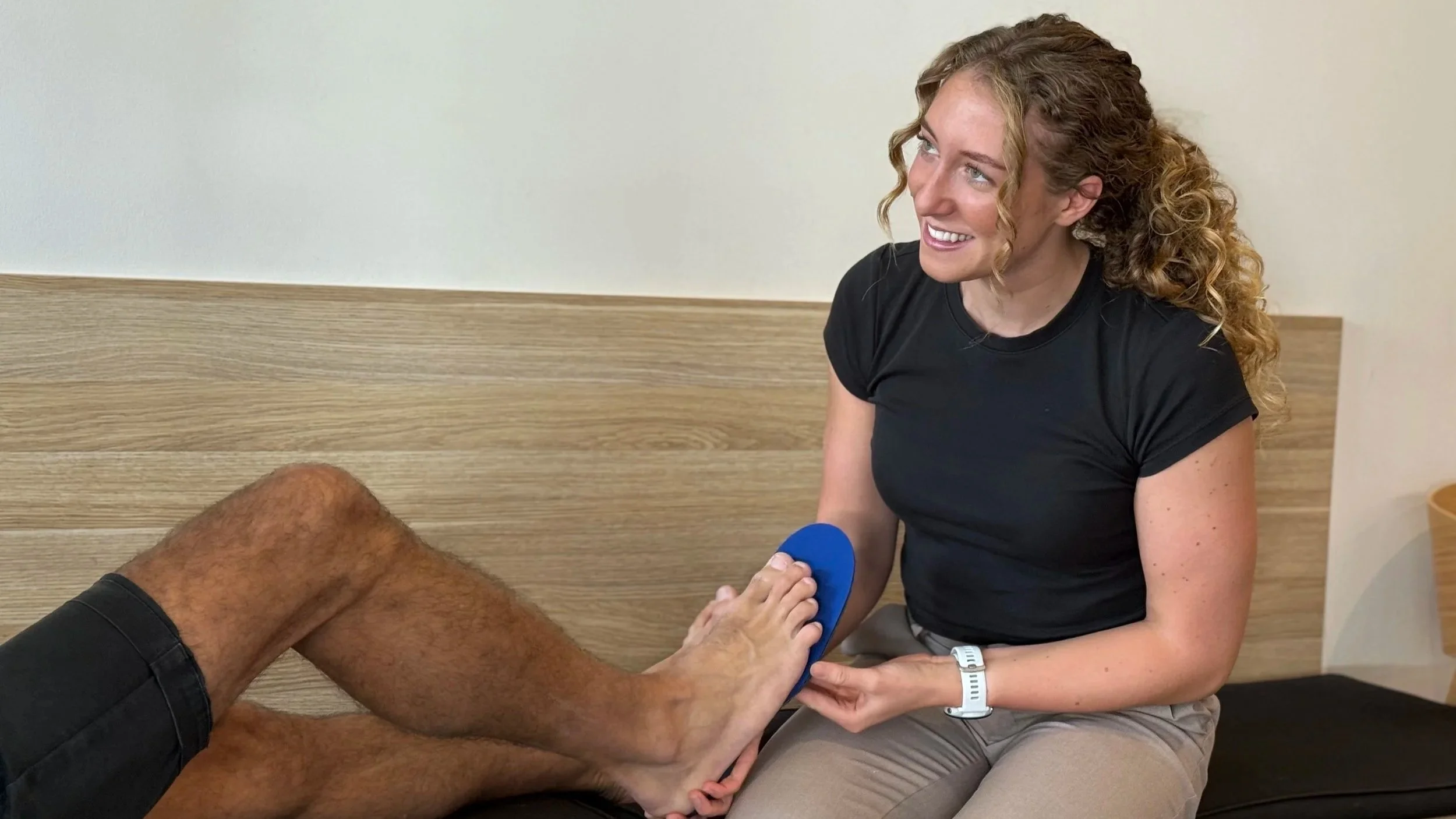
Foot pain can change how far you walk, what shoes you wear and whether you feel comfortable at work or during sport. At Seaview Health Group in Beaumaris, our podiatrists assess foot and lower-limb concerns before recommending a plan. Custom orthotics may be useful for some people, but they are one option among several. The aim of the appointment is to understand your symptoms and decide whether a prescribed device makes sense for your feet, footwear and daily activities.
When custom orthotics may be considered
An orthotic is an insert worn in a shoe. The question is not simply whether you can wear one, but what problem it is intended to address and whether another approach may be more useful.
Foot and heel pain
Pain under the heel, through the arch or elsewhere in the foot can have different causes. A podiatry assessment looks at where the pain occurs, how long it has been present and how walking, standing or footwear affect it.
An orthotic may be considered when changing the load on a sensitive area could form part of a broader plan. Advice about shoes, activity and exercise may be equally important. If you would like more detail about persistent heel and tendon concerns, see our plantar fascia and tendonitis page.
Sport and repeated lower-limb load
Running, court sports and repeated time on your feet can expose a problem that is less noticeable during quieter weeks. We consider training changes, the activities that provoke symptoms and the demands you want to return to.
Some people may benefit from a prescribed insert, while others need a change in load, footwear or strength work. An orthotic is not a shortcut to better performance or a guarantee against future injury.
Footwear and day-to-day demands
The shoes you need for work may be different from those you use for exercise or weekends. A device that cannot be worn comfortably in your usual footwear may be of limited practical value.
We discuss the shoes you wear most, how much time you spend standing or walking and what matters to you about fit. This helps shape the recommendation, whether that is an orthotic, a footwear change or another measure.
Choosing between custom and other options
WCustom-made foot orthoses are prescribed for an individual after assessment. They are not automatically the best choice for everyone with foot pain or a particular foot shape.
Depending on the issue, an off-the-shelf support, a different shoe, activity changes or exercise may be reasonable to try. We explain the purpose of any recommendation so you can weigh up what is likely to be useful for you.
What your podiatry assessment considers
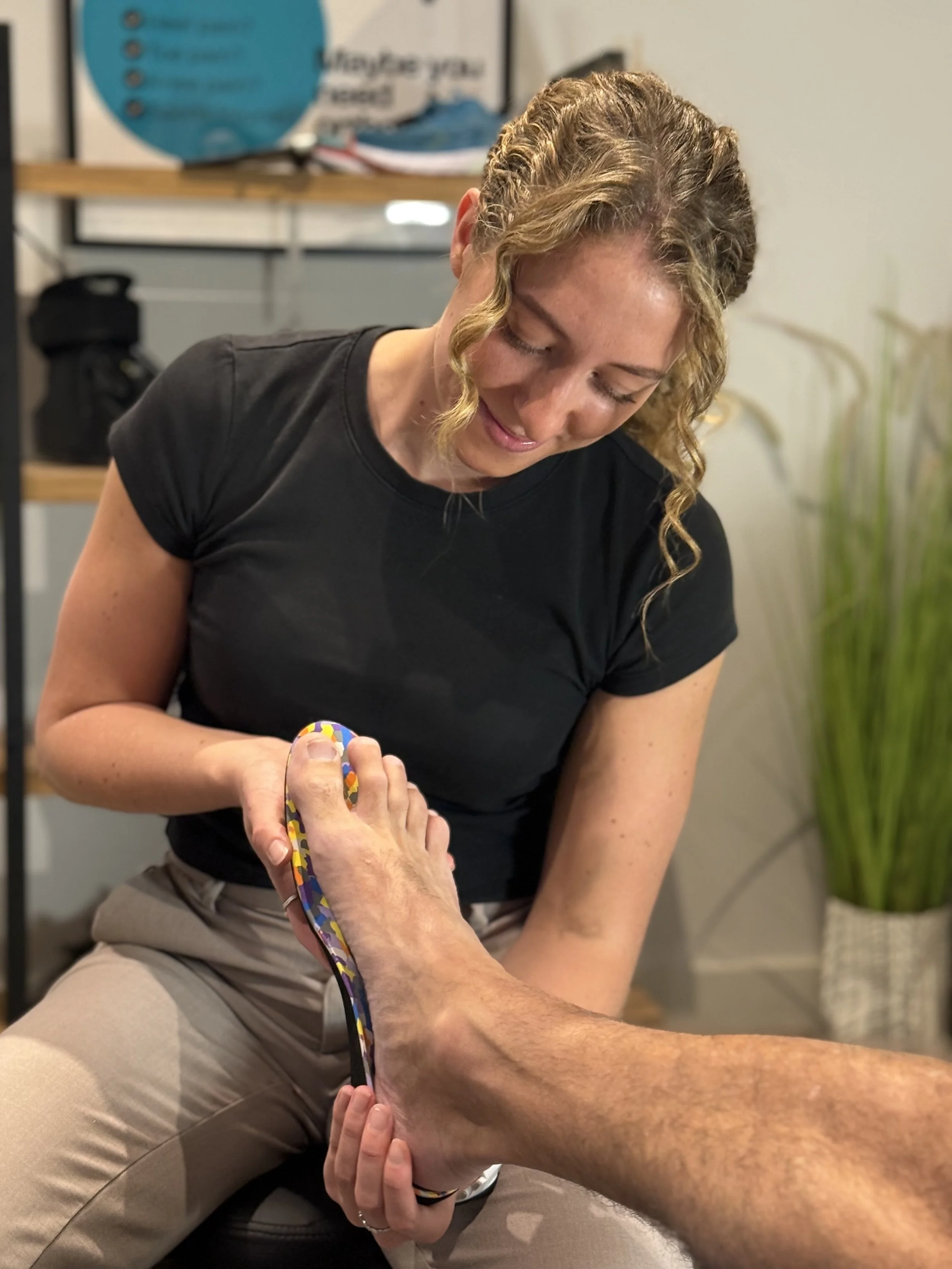
Your podiatrist will ask about your symptoms, health and activity history. The discussion may cover when pain appears, whether it changes with particular shoes or surfaces and what you need to do comfortably at work, at home or in sport.
The physical assessment is guided by your concern. It may include looking at the painful area, relevant movement and the footwear you use. No single finding makes an orthotic necessary.
Where the pain or difficulty occurs and how it affects daily activity
Footwear, work demands and sport or exercise
Options that may help, including whether a prescribed orthotic has a clear role
-
A prescription matched to your goal
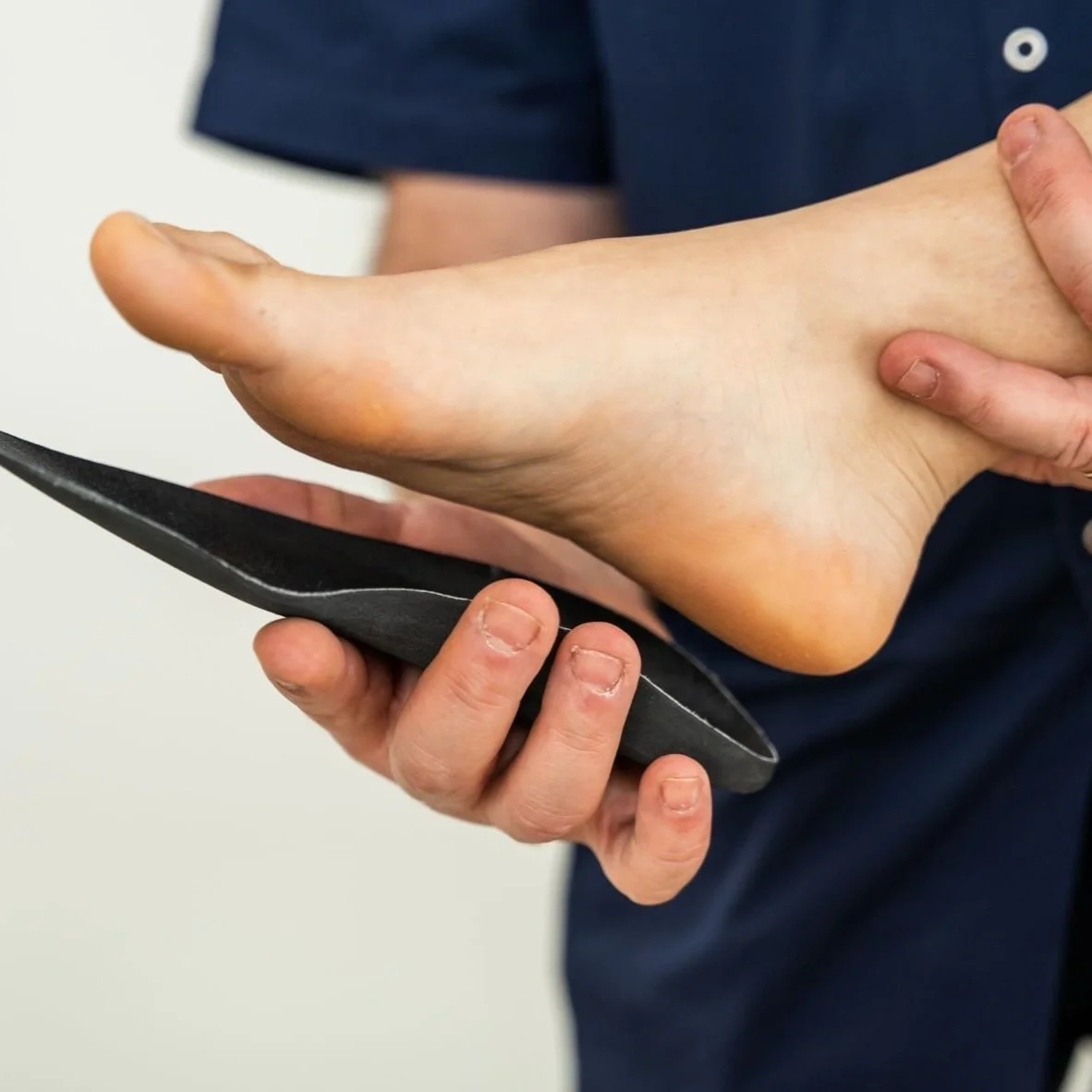
If a custom orthotic is recommended, it should have a specific purpose. That may be to change pressure in part of the foot or make a particular activity more manageable. Your podiatrist can explain the goal in terms that relate to your symptoms rather than promising to “correct” your whole body.
Footwear remains part of the decision. We consider whether the device is likely to fit the shoes you actually use and discuss any practical limits. A prescribed insert is most useful when you know when to wear it and what change to look for.
-
Orthotics as part of a broader plan
An orthotic does not replace a diagnosis or a plan for the factors contributing to pain. Depending on the assessment, podiatry care may also include advice about shoes, changes to activity and exercises that suit your current capacity.
Progress can be gradual, particularly when a problem has been present for some time. We focus on what you need to do more comfortably and review whether the chosen approach is helping with that goal.
-

Fitting and follow-up
If you receive orthotics, ask how to introduce them into your usual routine and what level of adjustment is expected. Comfort and shoe fit matter. You should know who to contact if a device rubs, feels awkward or does not work in the footwear you need.
It is also worth reviewing the original reason for prescription. If your symptoms or activities change, the advice may need to change with them. No device can be guaranteed to remove pain or prevent every future problem.
Book a podiatry assessment in Beaumaris
Visit Seaview Health Group at 330 Balcombe Road, Beaumaris, to discuss your foot concern and whether custom orthotics are appropriate.