


Sever’s disease treatment for children
When a child starts limping after footy or sits out a game they usually look forward to, heel pain is worth checking. Sever’s disease is one possible cause in growing children, especially when running and jumping bring on pain at the back of the heel. The children’s podiatry team at Seaview Health Group in Beaumaris can assess your child’s heel pain and help you work out which activities to adjust while it settles.
What Sever’s disease feels like
The pattern of your child’s pain can help guide the assessment. Ask where it hurts, when they first notice it and what they do differently when it starts.
Pain at the back of the heel
Sever’s disease, also called calcaneal apophysitis, involves irritation around the growth plate at the back of the heel bone. The growth plate is an area of developing tissue that allows the bone to grow.
Pain can affect one heel or both. Your child may point to the back of the heel near the Achilles tendon or find that the area is tender to touch.
Pain during or after sport
Running and jumping can bring on pain, particularly during a growth spurt. Your child might be comfortable walking into school and sore by the end of basketball training.
Pay attention to what happens after the whistle, too. A limp on the walk to the car or soreness when they put their shoes back on can help explain how much the heel is bothering them.
Changes in the way your child moves
Some children limp or walk on their toes to take pressure off a sore heel. Younger children may ask to be carried or decide to sit out without being able to explain why.
Tell the podiatrist if symptoms began with a fall, an awkward landing or a sudden change in training. Seek urgent medical care if your child suddenly cannot put weight on the foot, or has heel pain with a fever.

How a podiatrist assesses heel pain
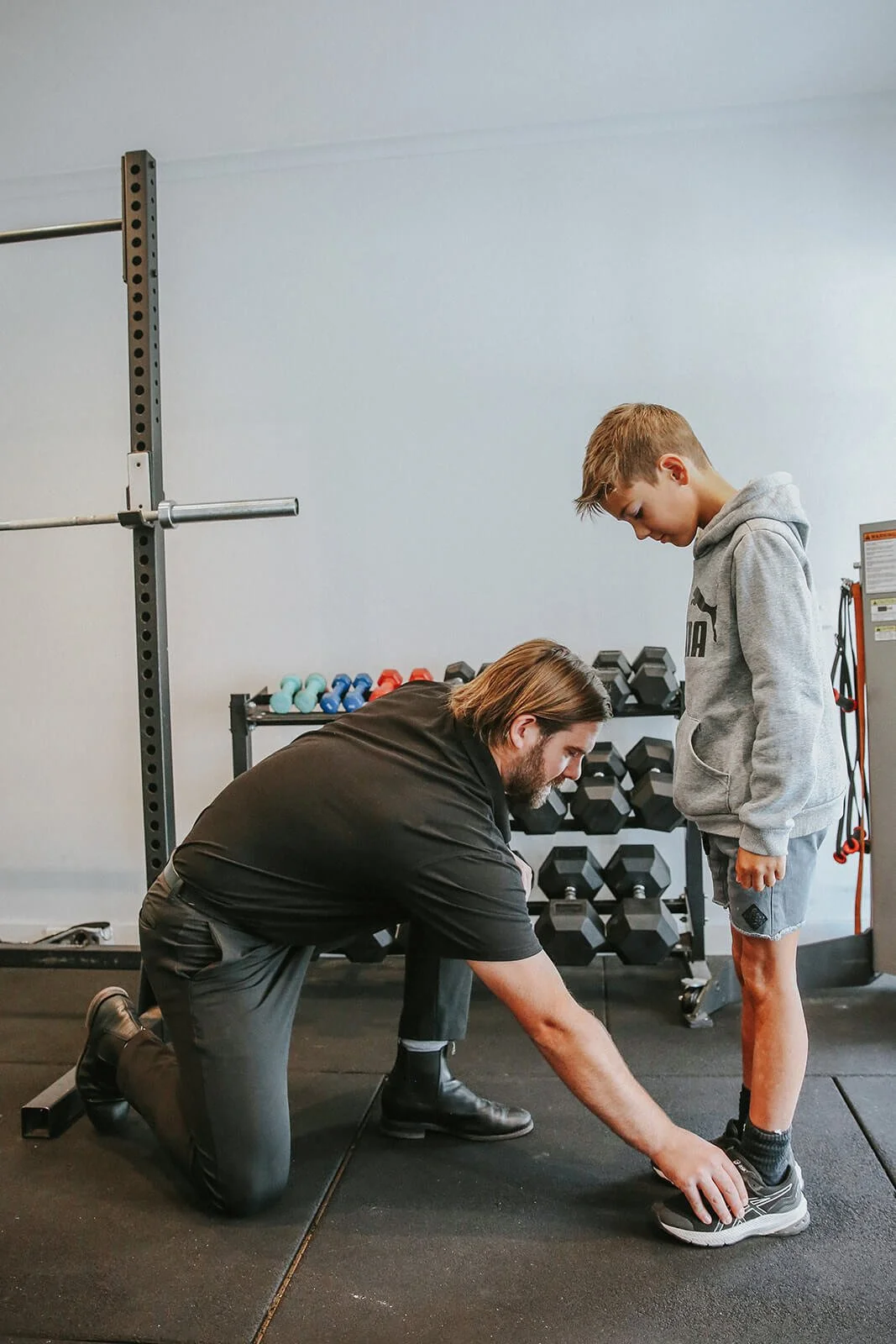
Your podiatrist will ask where the pain is, when it started and how it affects school, play or sport. They may check for tenderness and look at how your child walks and moves their foot and ankle.
Other conditions can also cause heel pain. The history and examination help guide the next step. A clinician may recommend further investigation when the symptoms suggest another cause, such as a bone injury.
Bring the runners and sports shoes your child wears most often.
Note which activities trigger pain and how long it lasts afterwards.
Mention recent injuries, a growth spurt or any change in training, and bring relevant results if your child has already been assessed.
-
Treatment options for Sever’s disease
Treatment usually starts with easing the activities that provoke the pain, especially repeated running and jumping. What that looks like depends on how sore the heel is and what your child normally does in a week.
Well-fitting sports shoes, a heel pad or a heel lift may help some children. Exercise advice can also be useful when appropriate. Your podiatrist can discuss which options suit your child and which changes you can reasonably make at home or at training.
-

Returning to school sport and weekend games
As symptoms improve, your child can build back towards their usual sport gradually. Talk through the first step with your podiatrist and coach. It might mean joining part of training before returning to a full session or a match.
Watch how your child walks after activity and how the heel feels later that day. If the limp returns or the pain keeps building, pull back from the activity that brought it on and ask for advice about adjusting the plan.
-
What to do if heel pain comes back
Symptoms can flare again while your child is still growing, particularly once running and jumping increase. If that happens, note what changed. A tournament weekend, a second team’s training session or a return to full PE can add more activity than your child is used to. Sever’s disease settles as the heel growth plate matures, although each flare can take a different amount of time to ease.
If heel pain persists, changes pattern or starts happening at rest, arrange a reassessment. The Sydney Children’s Hospitals Network guide to Sever’s disease explains typical symptoms, treatment options and what to discuss with your child’s clinician.
Book a children’s podiatry assessment
If heel pain is getting in the way of play or sport, our podiatry team can assess your child at 330 Balcombe Road, Beaumaris. Tell us which activities they’re finding difficult so we can start with what matters to your child.