

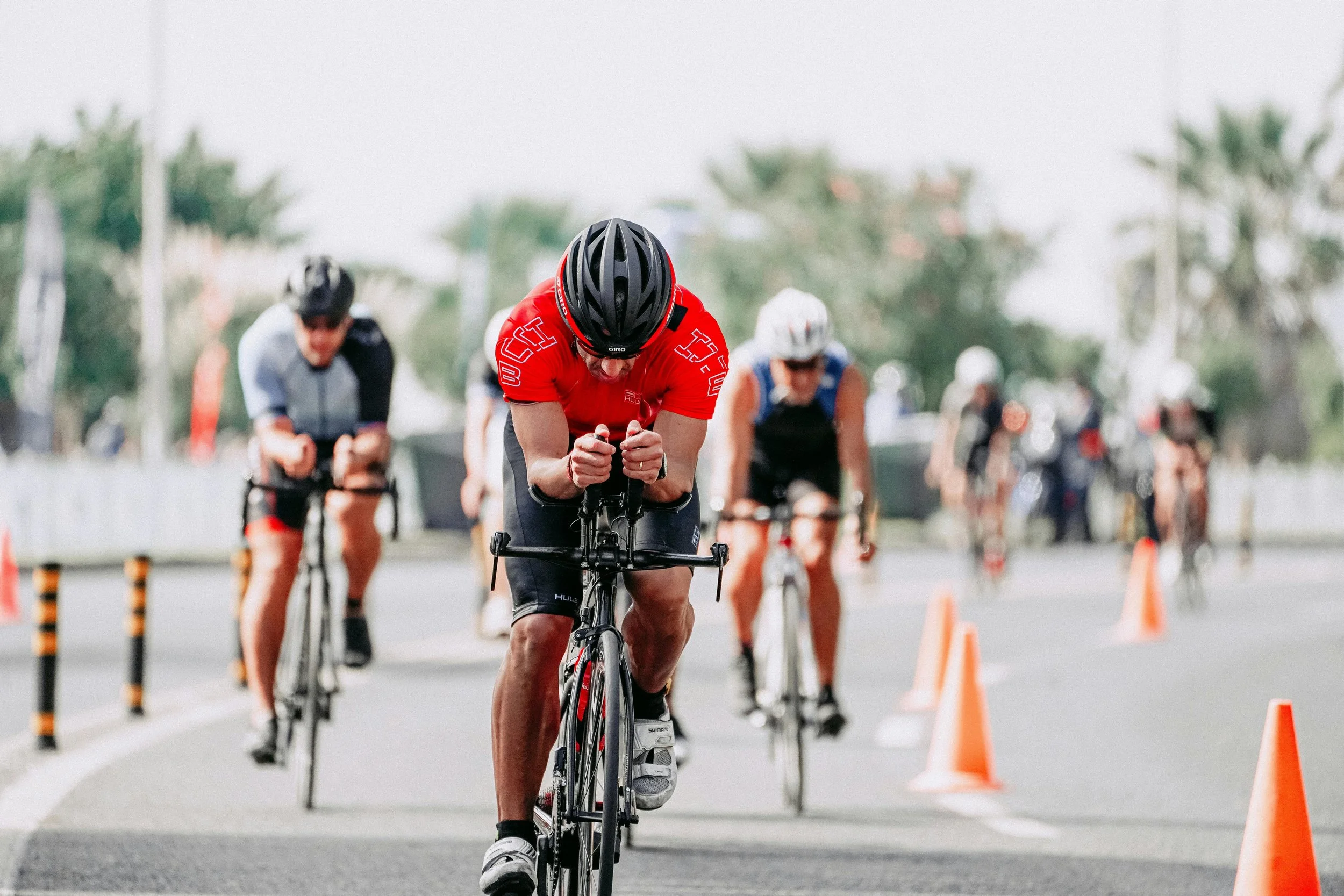
Sports Injuries
A sports injury can disrupt more than a fixture or training session. It can affect your commute, work, sleep and confidence in the movement that caused it. At Seaview Health Group in Beaumaris, we assess sports-related muscle, joint and tendon problems and help people build a realistic route back to activity. That includes recreational runners, gym-goers, junior and adult team-sport players, and people who simply want to move without the same problem returning.
Understanding Sports Injuries
Some injuries happen suddenly: an awkward landing, collision, twist or sprint. Others build over weeks as the amount or intensity of training changes. Pain during sport does not always tell you which structure is involved. A sore knee, for example, may need a different plan depending on whether it followed a fall, appears only after a certain running distance or becomes painful with jumping.
People seek assessment for concerns such as:
Muscle strains, joint sprains and pain after a fall
Knee, ankle, hip or shoulder symptoms during sport
Achilles, patellar or other tendon pain linked with repeated loading
Recurring pain when training volume increases
Difficulty trusting an injured area when returning to play
The aim is to identify what appears to be injured, what you can currently do and which demands you need to meet next. A person getting back to a social game has different movement demands from someone preparing for a long run, even if both describe pain in the same place.

What Happens at a Sports Injury Assessment?
Your practitioner will ask how the injury started, what you felt at the time, how symptoms have changed and what you have already tried. The examination may include the painful area, nearby joints, strength, balance and movements relevant to your activity. If running is the main problem, watching the way you run may be useful; if pain appears with cutting or landing, those movements may need attention later in rehabilitation.
Not every injury is suitable for hands-on treatment or exercise straight away. A suspected fracture, a major ligament injury, a joint that cannot bear weight, or symptoms following a head injury may need prompt medical assessment. We can discuss whether review by your GP or another appropriate service is the safer next step.
-

Early Care Without Losing All Momentum
The first stage is often about reducing the activities that sharply aggravate symptoms while keeping suitable movement in your week. That might mean temporarily changing a run, exercise selection or training intensity rather than stopping everything for an arbitrary period. The right adjustment depends on the injury and how it responds.
Where appropriate, care may combine hands-on treatment with exercises, movement advice and a plan for increasing activity. The purpose of treatment is to support recovery and function; it cannot promise a faster healing time or make a return to sport risk-free.
-

Rebuilding the Skills Your Sport Requires
Pain settling is useful, but it is only one part of returning to sport. Rehabilitation can progress through range of movement, strength, balance and confidence, then towards the speed, impact or change of direction needed for your activity. A runner may need to increase repeated impact gradually. A court-sport player may need to practise deceleration and landing before a full game feels manageable.
For people who use the coastal paths around Brighton, Sandringham, Black Rock or St Kilda, a goal might be a comfortable walk first, followed by short runs and then a longer uninterrupted route. For someone returning to a local oval or indoor court, the goal may instead be tolerating sprints, turns and repeated efforts. The steps in your plan should reflect the activity you actually want to resume.
-

Reducing the Chance of Another Setback
A return plan may look at recent training changes, strength, recovery, footwear and the movement patterns relevant to your sport. Seaview Health Group also offers podiatry and running analysis where foot or running concerns make that input useful. No single assessment or technique prevents every injury, but understanding the factors you can change can make your next training decisions clearer.
If an injury is keeping you out of sport, or the same pain returns each time you build up, book an assessment at our Beaumaris clinic. We will help you understand the problem, what requires further review and what a sensible progression could look like.
Ready to work towards a return to your sport?
Book an assessment to understand your injury and the movements your sport requires. We can help you plan a gradual return based on how you respond to rehabilitation.