


Sciatica & Nerve Pain
At our Beaumaris clinic, we assess people from across Bayside Melbourne experiencing sciatica and other nerve-related symptoms such as pain, tingling, numbness or altered sensation. Because these symptoms can have different causes, a careful assessment can help determine what may be contributing and whether treatment, rehabilitation or further medical review is appropriate.
Understanding Sciatica & Nerve Pain
Sciatica is a term commonly used to describe symptoms linked with irritation or compression of the sciatic nerve or its nerve roots. Symptoms may be felt in the lower back, buttock, thigh, calf or foot, and can vary considerably from person to person.
Nerve-related pain may also occur in other parts of the body and does not always present in the same way. People may seek assessment for symptoms such as:
Pain that travels into an arm or leg
Tingling, pins and needles or altered sensation
Numbness or unusual sensitivity
Symptoms that change with certain movements, positions or activities
How We Approach Sciatica & Nerve Pain
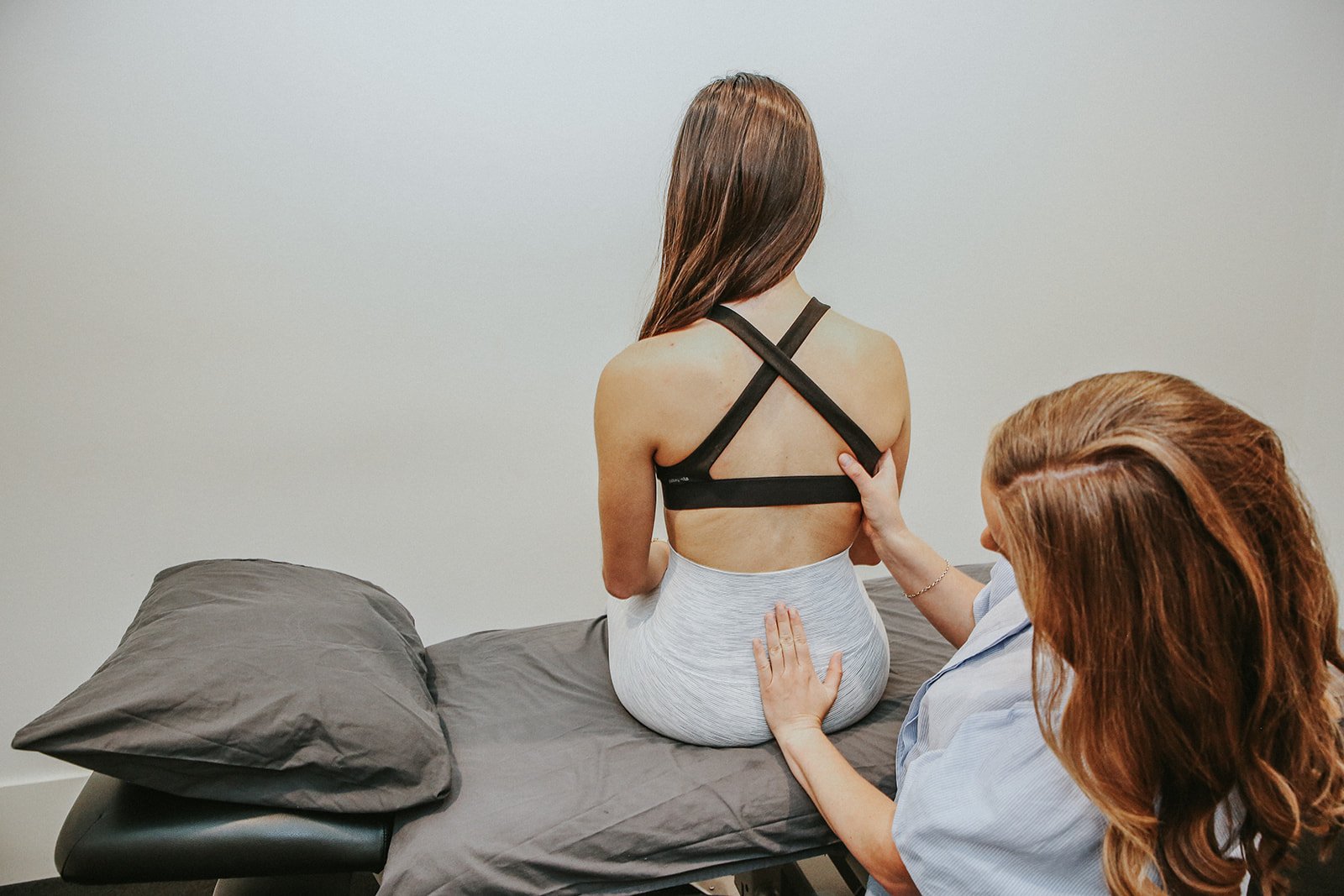
At Seaview Health Group, we begin by listening to how your symptoms started, where they are felt, what makes them better or worse and how they are affecting your daily life. Your practitioner may assess the painful area as well as related regions such as the spine, pelvis, hips or limbs, depending on your presentation.
Treatment will vary according to what is identified during assessment. It may include hands-on techniques, movement advice, exercise prescription and strategies to help you stay active within a comfortable and appropriate range.
Education is also an important part of care. Understanding what may be contributing to your symptoms, which activities are safe to continue and how to gradually build movement and strength can make rehabilitation feel more manageable.
-
Sciatica & Referred Leg Symptoms
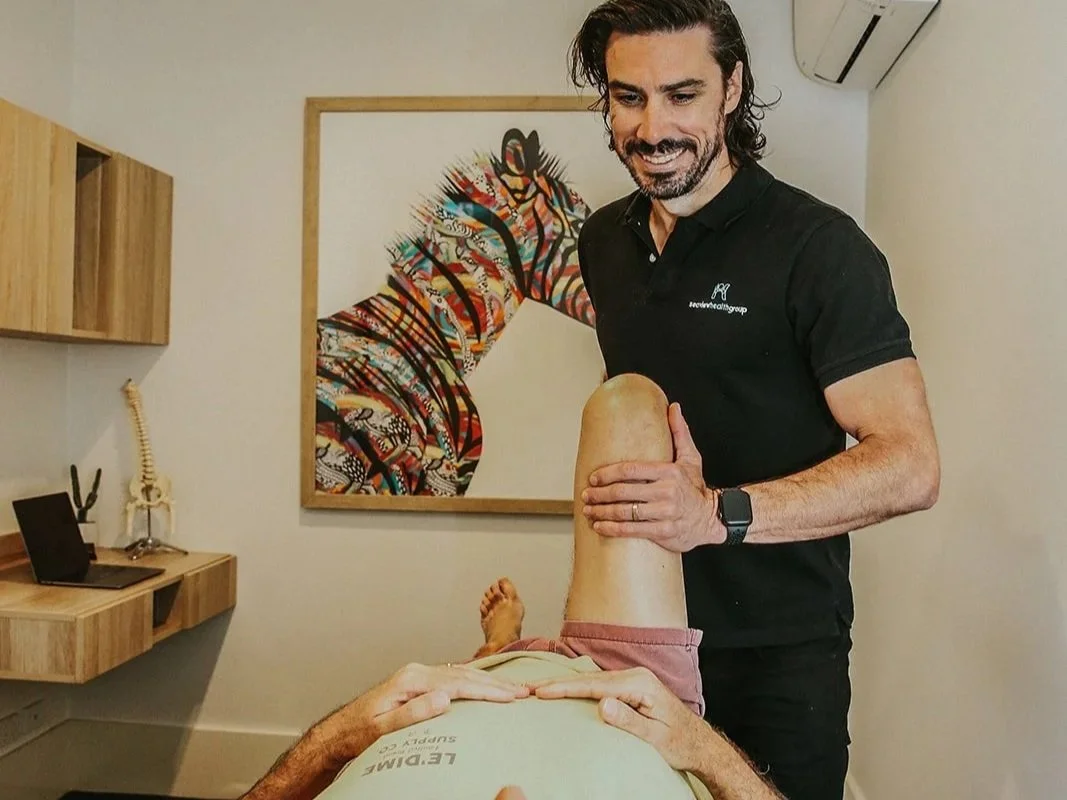
Sciatica commonly describes pain or altered sensation that travels from the lower back or buttock into the leg. Some people experience mainly leg symptoms, while others may also have lower back pain.
There are several possible reasons for these symptoms, and the location or intensity of pain alone does not always identify the underlying cause. Assessment may include looking at spinal movement, strength, sensation, reflexes and other relevant physical findings.
Depending on your individual presentation, management may focus on maintaining comfortable movement, reducing aggravating loads and gradually improving strength and function. Your practitioner can also advise if your symptoms suggest that further medical investigation is appropriate.
-
Numbness, Tingling & Nerve Irritation
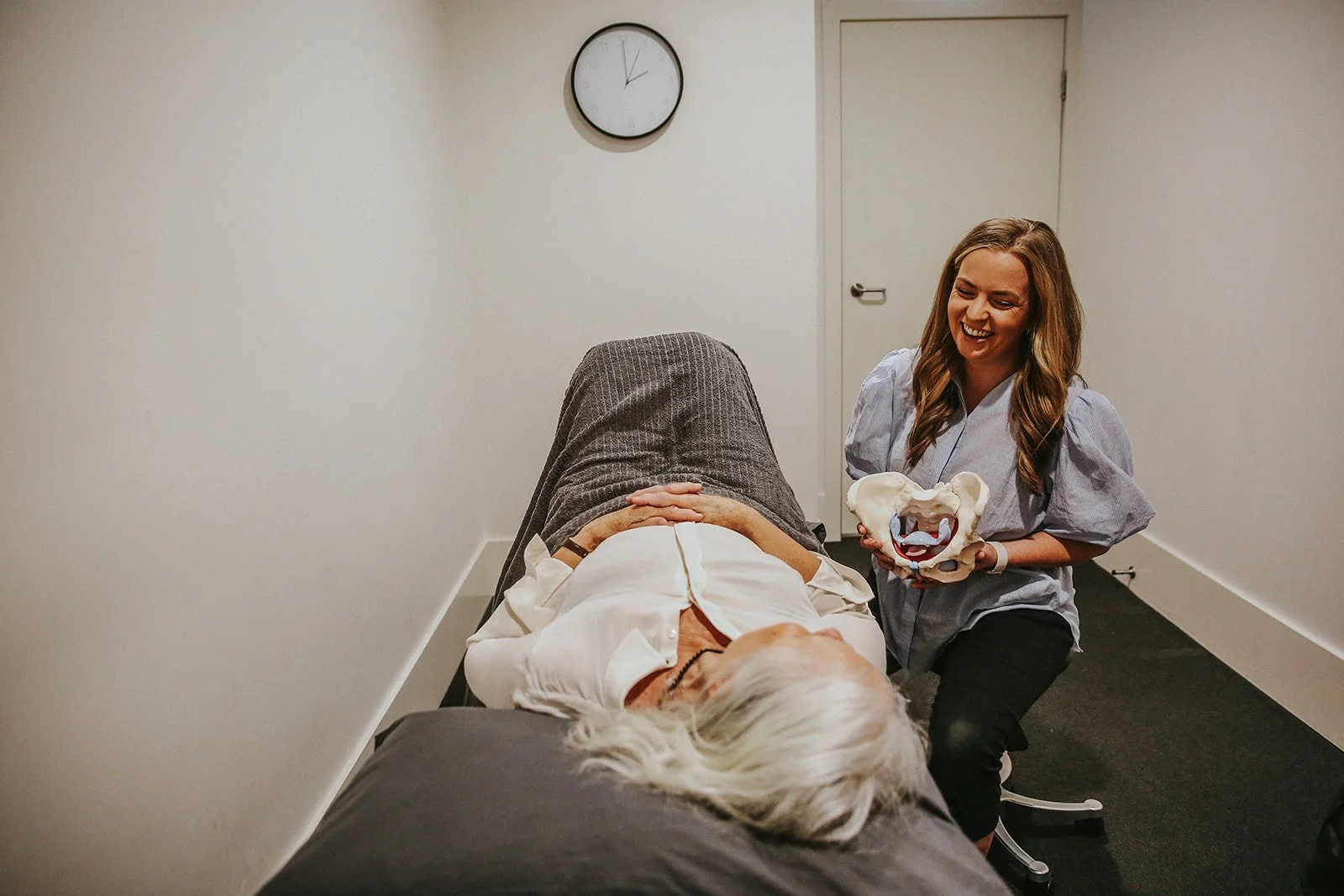
Nerve-related symptoms can include pins and needles, numbness, burning sensations or increased sensitivity. These sensations can occur when a nerve or nerve root is irritated, but there are also other possible causes.
A thorough history and physical assessment can help determine which structures or movements may be relevant. Your practitioner may assess areas away from where the symptoms are felt because nerves travel through several regions of the body.
Treatment may involve movement and exercise strategies alongside hands-on care where appropriate. The focus is generally on improving function, reducing aggravating factors and supporting a gradual return to normal activity rather than relying on one particular technique.
-
Treatment, Exercise & Rehabilitation
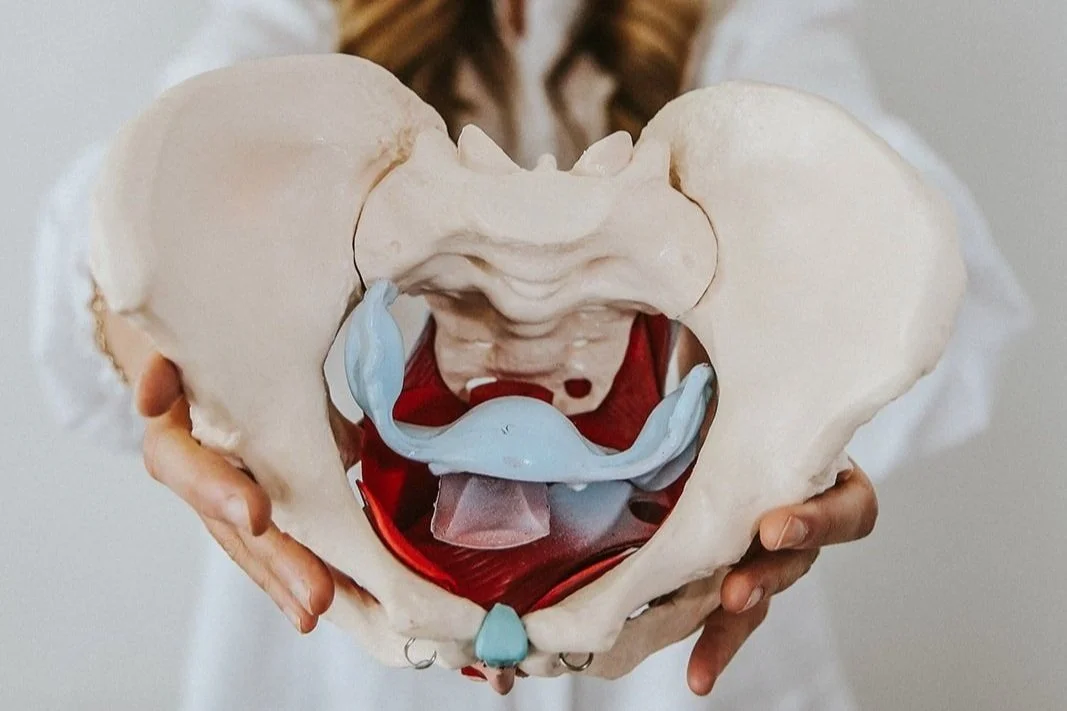
Sciatica and nerve pain can behave differently from person to person, so treatment needs to be tailored to the individual. Some people may benefit from gentle movement and activity modification initially, while others may be ready for more active strengthening and rehabilitation.
At Seaview Health Group, your plan may include hands-on treatment, exercise prescription, movement retraining and education about symptom management. The aim is to support recovery while helping you understand how to manage day-to-day activity with greater confidence.
Your rehabilitation may progress over time as symptoms settle and function improves. Where appropriate, this can include building strength, mobility and tolerance for work, exercise, walking or sport.
If you are experiencing sciatica or other nerve-related symptoms, an individual assessment can help clarify what may be contributing and what your next steps could be.
Our team can work with you on a practical treatment and rehabilitation plan based on your symptoms, needs and goals.

Our Seaview Health Group Osteopaths can work with you to develop an individualised management plan to help manage nerve and sciatic pain, improve movement, and support your recovery.
We understand that nerve-related pain can be uncomfortable and frustrating, particularly when it affects your ability to sit, walk, work, or sleep comfortably. Our Osteopaths will take the time to assess your symptoms and provide considered, personalised care throughout your treatment.